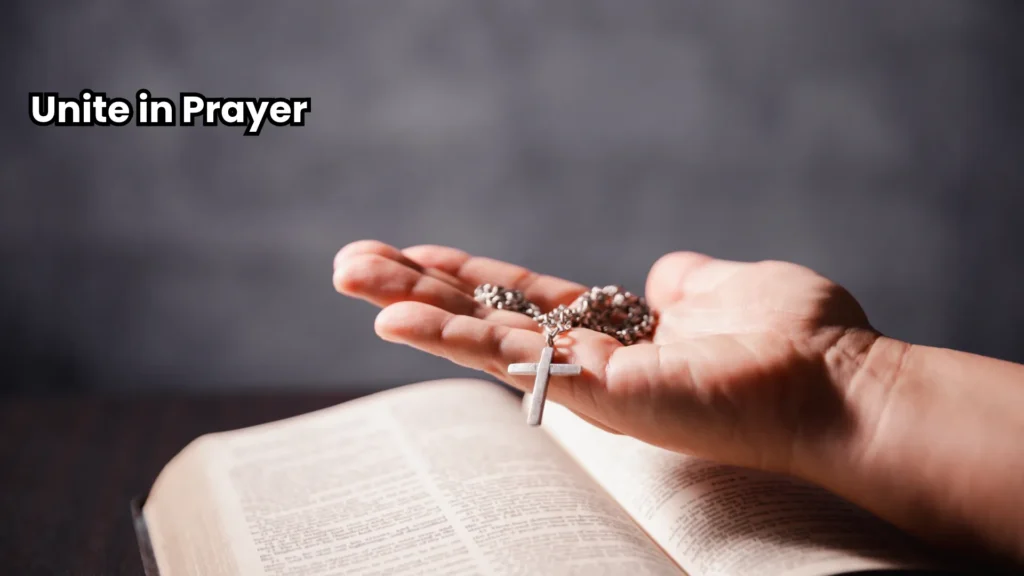
Many people searching for what is the 3rd step prayer are usually looking for peace, guidance, and emotional support during recovery or difficult life situations. The prayer has become an important part of spiritual recovery because it focuses on surrender, trust, honesty, and personal growth.
The 3rd step prayer is often connected with recovery programs where people work toward healing from addiction, unhealthy habits, emotional pain, or destructive behavior. It reminds people that they do not have to carry every burden alone.
Life can feel overwhelming when stress, fear, guilt, or anxiety take control. The prayer encourages individuals to stop trying to manage everything through fear and instead seek spiritual guidance.
For many people, the prayer becomes a daily reminder that healing takes patience, honesty, and faith.
Understanding the Meaning of the 3rd Step Prayer
The meaning behind the 3rd step prayer centers around surrender.
Surrender does not mean weakness. It means accepting that some struggles cannot be fixed through control alone.
Many people spend years trying to force situations, hide emotions, or avoid painful truths. The prayer encourages them to let go of pride, fear, anger, and selfish thinking.
Instead of fighting every battle alone, the prayer teaches people to trust a higher power and move forward one step at a time.
This message becomes powerful during recovery because many individuals feel emotionally exhausted before they begin healing.
The prayer encourages people to:
Accept help.
Practice humility.
Stay honest.
Build spiritual strength.
Focus on growth.
Release fear and resentment.
These lessons can improve emotional and mental well-being over time.
Why the 3rd Step Prayer Matters in Recovery
Recovery is not only about stopping harmful behavior.
It also involves rebuilding emotional health, relationships, daily habits, and personal confidence.
Many people carry emotional pain for years. Some struggle with guilt, shame, loneliness, fear, or anger.
The 3rd step prayer creates a quiet moment where individuals can pause and reflect honestly.
People often feel calmer after prayer because it gives them space to slow down mentally.
The prayer can help people:
Reduce emotional pressure.
Practice patience.
Feel less isolated.
Focus on healing.
Develop hope.
Strengthen faith.
Recovery usually happens through consistent daily choices, and prayer can become part of that healthy routine.
The Connection Between Faith and Healing
Faith plays an important role for many people during difficult seasons.
Some individuals feel hopeless before beginning recovery. Others feel trapped by unhealthy habits or painful memories.
Prayer gives people a chance to speak honestly about their struggles.
Even short moments of spiritual reflection can create emotional comfort.
Many people use prayer in the morning before work, during stressful moments, or before sleeping at night.
The purpose is not perfection.
The goal is progress.
Faith often grows slowly through daily habits and honest reflection.
People may not feel stronger overnight, but small moments of peace can lead to lasting emotional change.
3rd Step Prayer 7th Step Prayer Connection
The 3rd step prayer 7th step prayer connection is important in many recovery journeys.
Both prayers focus on spiritual growth and personal change.
The 3rd step prayer centers around surrender and trusting a higher power.
The 7th step prayer focuses more on humility and asking for help removing personal shortcomings.
Together, these prayers encourage people to:
Be honest about weaknesses.
Accept guidance.
Work toward emotional growth.
Practice humility.
Build healthier habits.
Stay committed to recovery.
Many individuals use both prayers regularly because they complement each other spiritually.
The prayers remind people that healing requires patience, accountability, and self-awareness.
Why Letting Go Can Feel Difficult
One of the hardest parts of recovery is learning to let go.
Many people feel safer when they try controlling everything themselves.
Some fear vulnerability.
Others avoid asking for help because they worry about judgment.
The 3rd step prayer challenges this mindset.
It teaches that real strength often begins with honesty.
People who spend years carrying emotional pressure alone may feel uncomfortable opening up at first.
Over time, surrender can actually create emotional freedom.
Instead of constantly fighting fear, anger, or stress internally, individuals begin trusting the healing process more fully.
This shift often improves emotional stability and relationships.
Personal Growth Through Reflection
Self-reflection is an important part of emotional healing.
Many people avoid reflection because painful emotions feel uncomfortable.
The 3rd step prayer encourages people to slow down and examine their thoughts honestly.
Questions people may ask themselves include:
What fears continue controlling my life?
Which habits are hurting me?
Am I being honest with myself?
What changes do I need to make?
How can I become healthier emotionally?
Reflection can feel difficult at first, but it often leads to personal growth.
Many individuals say prayer helps them become calmer, more patient, and emotionally aware.
Building Healthier Relationships
Recovery often affects relationships with family, friends, and loved ones.
Trust may need time to heal.
Communication may need improvement.
The 3rd step prayer teaches humility, patience, and emotional honesty.
These qualities can improve relationships over time.
People who practice reflection and prayer often become:
Better listeners.
Less reactive.
More understanding.
More patient.
More willing to apologize.
More emotionally aware.
Healthy relationships usually grow when people communicate honestly and respectfully.
Prayer can help individuals pause before reacting emotionally during stressful situations.
Daily Habits That Support Recovery
The 3rd step prayer becomes more meaningful when combined with healthy daily routines.
Recovery often depends on consistency rather than perfection.
Small positive habits can slowly create major emotional changes.
Helpful routines may include:
Reading spiritual material.
Journaling emotions.
Talking with supportive people.
Attending meetings.
Practicing gratitude.
Walking outdoors.
Getting proper sleep.
Taking quiet time for reflection.
People who stay committed to healthy routines often feel more emotionally balanced over time.
Why Prayer Helps During Stressful Moments
Stress can easily affect emotions, thoughts, and decision-making.
Many people return to prayer during moments of fear, frustration, loneliness, or anxiety.
The 3rd step prayer creates a calm space where people can pause before reacting emotionally.
Some people pray silently.
Others read the prayer aloud.
Some write prayers inside journals.
These moments of reflection can help people feel:
Calmer.
Less overwhelmed.
More hopeful.
Emotionally supported.
Spiritually focused.
Prayer does not remove every challenge immediately, but it can help people manage emotional pressure more peacefully.
Emotional Honesty and Recovery
Emotional honesty is one of the most important parts of healing.
Some individuals hide pain behind anger, distractions, denial, or unhealthy behavior.
The 3rd step prayer encourages honesty about personal struggles.
Admitting weakness can feel uncomfortable, but it often becomes the beginning of healing.
Many people feel emotionally lighter once they stop pretending everything is fine.
Honesty allows people to:
Ask for help.
Accept support.
Recognize unhealthy patterns.
Improve relationships.
Develop healthier coping skills.
Healing usually becomes easier when people stop carrying emotional burdens alone.
The Importance of Humility
Humility is another major lesson connected with the prayer.
Humility does not mean feeling unimportant.
It means recognizing that growth often requires guidance, accountability, and openness.
Many people resist change because pride makes vulnerability feel uncomfortable.
The 3rd step prayer reminds people that asking for help can actually be a sign of strength.
People who practice humility often become:
More patient.
More understanding.
More willing to learn.
Better communicators.
More emotionally balanced.
Humility can improve both recovery and personal relationships.
Finding Hope During Difficult Seasons
Many individuals begin recovery during painful moments in life.
Some feel emotionally exhausted.
Others struggle with guilt, loneliness, fear, or hopelessness.
The 3rd step prayer gives people a reminder that change is still possible.
Recovery is rarely perfect.
There may be setbacks, emotional struggles, or difficult days.
What matters most is continuing forward.
Hope becomes stronger when people stay connected to support, prayer, and healthy habits.
Even small progress matters.
One positive choice each day can slowly create major life changes.
Helping Others Through Shared Experience
Many people who benefit from prayer and recovery eventually begin supporting others.
Someone who understands emotional pain often becomes more compassionate toward others facing similar struggles.
Support can include:
Listening without judgment.
Offering encouragement.
Sharing hope.
Praying for others.
Giving emotional support.
Being patient during difficult moments.
Helping others can strengthen personal growth as well.
Many people find purpose when they use their experiences to encourage someone else.
Spiritual Reflection and Inner Peace
Quiet reflection can create emotional peace during stressful seasons.
Some people combine prayer with meditation, journaling, or reading spiritual material.
Others spend a few quiet minutes each morning focusing on gratitude.
These moments of reflection can improve emotional awareness.
People often notice they become:
Less reactive.
More patient.
More focused.
More emotionally calm.
More hopeful.
The 3rd step prayer fits naturally into these routines because it encourages surrender, trust, and honesty.
Recovery Takes Time
Healing rarely happens overnight.
Many people become discouraged because they expect immediate emotional change.
The truth is that recovery usually happens slowly through daily effort.
Some days feel easier than others.
There may still be moments of frustration, sadness, or temptation.
The important thing is continuing forward.
The 3rd step prayer reminds people that progress matters more than perfection.
Each day creates another opportunity for growth.
Patience becomes important during this process.
Small healthy choices repeated consistently can create lasting emotional change.
Conclusion
For anyone asking what is the 3rd step prayer, the answer goes beyond simple words.
The prayer represents surrender, trust, humility, healing, and spiritual growth.
Many people turn to the prayer during difficult seasons because it provides emotional comfort and guidance.
The connection between the 3rd step prayer 7th step prayer also reminds individuals that recovery involves honesty, patience, and personal growth.
Healing is rarely easy, but support, prayer, reflection, and faith can help people continue moving forward.
No matter how difficult life may feel, positive change is still possible.
One honest step at a time can slowly lead toward peace, emotional strength, and a healthier future.
FAQs
The 3rd step prayer is a spiritual prayer connected with recovery that focuses on surrender, trust, and asking a higher power for guidance.
The prayer helps people practice honesty, humility, emotional healing, and spiritual growth during recovery.
Both prayers focus on personal growth, humility, surrender, and spiritual support during recovery.
Many people feel calmer and more emotionally supported after prayer because it creates space for reflection and peace.
Surrender helps people stop carrying emotional burdens alone and encourages them to accept support and guidance.
People often use the prayer during morning routines, meditation, journaling, meetings, or stressful situations.