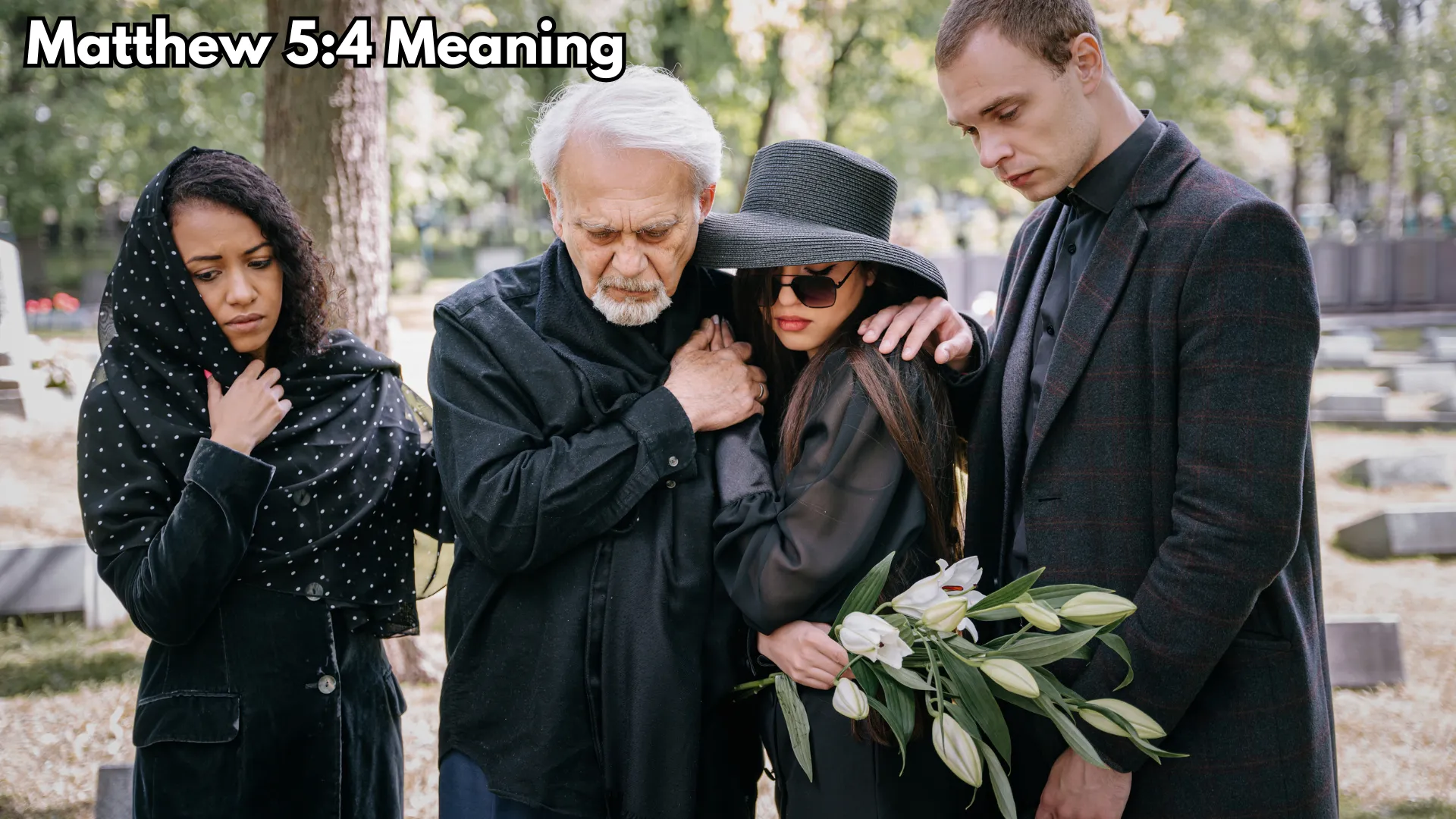
Matthew 5:4 is one of the most quoted verses from Jesus’ Sermon on the Mount, yet it is also one of the most misunderstood. The verse reads:
Blessed are those who mourn, for they shall be comforted. (Matthew 5:4)
At first glance, the statement appears contradictory. Mourning is associated with sorrow, pain, loss, and grief, while blessing suggests joy, favor, and peace. How can someone who mourns also be considered blessed?
Many readers assume Jesus was speaking only about the loss of loved ones. Although that meaning has value, the verse reaches much deeper. Jesus addresses every form of sincere sorrow, including grief over personal sin, broken relationships, injustice, suffering, and the fallen condition of the world. His promise of comfort extends beyond temporary emotional relief and points toward God’s lasting presence and future restoration.
What Does Matthew 5:4 Say?
The verse appears in the Beatitudes, the opening section of the Sermon on the Mount.
Matthew 5:4 (NIV)
Blessed are those who mourn, for they will be comforted.
Matthew 5:4 (KJV)
Blessed are they that mourn: for they shall be comforted.
Both translations communicate the same promise, although modern versions replace shall with will. Whether someone searches for matthew 5-4, matthew 5.4, matt 5 4, or mathew 5 4, they are referring to this same passage.
Understanding the Context of Matthew 5:4
Jesus spoke these words early in His public ministry while addressing a crowd gathered on a hillside in Galilee.
The audience included ordinary workers, fishermen, religious seekers, the poor, the sick, and people living under Roman occupation. Daily life involved political oppression, heavy taxation, illness, and uncertainty. Many listeners carried emotional and spiritual burdens.
Instead of praising wealth, power, or social status, Jesus described qualities valued in God’s kingdom. Each Beatitude challenged popular assumptions about success and blessing.
Matthew 5:4 follows immediately after:
Blessed are the poor in spirit, for theirs is the kingdom of heaven.
This order matters. Spiritual humility often leads to recognizing personal sin and the brokenness of the world, which naturally produces mourning.
Matthew 5:4 Meaning
The Matthew 5:4 meaning extends beyond grieving after someone’s death.
The Greek word translated as mourn is pentheō, one of the strongest words for grief in the New Testament. It describes deep sorrow, heartfelt lament, and profound emotional pain.
Jesus refers to people whose hearts are affected by spiritual realities. They recognize sin, injustice, suffering, and separation from God. Their mourning is genuine rather than superficial.
God’s comfort comes through forgiveness, hope, His presence during suffering, and the future promise that pain will not last forever.
This makes the verse both a present promise and a future hope.
Who Are Those Who Mourn?
One of the most common questions about those who mourn is whether Jesus was referring only to bereavement.
The answer is broader than many realize.
Those Mourning Personal Loss
Grief after losing family members, friends, or loved ones certainly fits within Christ’s teaching.
God recognizes human sorrow and promises His presence during seasons of loss.
Those Mourning Their Own Sin
Many biblical scholars believe this is the primary meaning.
People who recognize their own sin experience genuine sorrow that leads them toward repentance rather than despair.
This kind of mourning produces spiritual growth because it draws individuals closer to God instead of pushing them away.
Those Mourning the Brokenness of the World
Wars, injustice, poverty, violence, corruption, and suffering remind believers that creation remains incomplete.
Jesus acknowledges this sorrow and points toward God’s coming restoration.
Those Mourning Broken Relationships
Family conflict, divorce, betrayal, damaged friendships, and loneliness also produce deep grief.
Matthew 5:4 reminds believers that God understands emotional wounds that others cannot fully see.
Blessed Are Those Who Mourn for They Shall Be Comforted
The phrase blessed are those who mourn for they shall be comforted often raises another important question.
What kind of comfort did Jesus promise?
Many assume comfort means immediate removal of suffering.
Scripture presents a richer understanding.
God’s comfort may come through His presence, wisdom, forgiveness, supportive relationships, spiritual peace, renewed hope, or strength to endure difficult seasons.
Sometimes circumstances remain unchanged while hearts gradually find healing.
This promise also looks forward to eternity when sorrow itself will disappear.
God Blesses Those Who Mourn
The statement God blesses those who mourn appears surprising because society usually associates blessing with happiness, success, or comfort.
Jesus reverses that expectation.
People who honestly acknowledge pain often become more compassionate, humble, patient, and spiritually mature.
Rather than ignoring suffering, Christianity recognizes that hardship frequently develops deeper faith.
God’s blessing does not mean suffering becomes enjoyable.
It means suffering does not have the final word.
The Meaning of Blessed
The Greek word translated as blessed is makarios.
It refers to a state of divine approval rather than temporary happiness.
Someone may experience grief while simultaneously living under God’s favor.
This explains why mourning and blessing can exist together.
Biblical blessing depends on one’s relationship with God rather than external circumstances.
A Meaning Many Readers Miss
One aspect often overlooked in discussions of Matthew 5:4 meaning is communal mourning.
Modern readers usually interpret grief individually.
First-century Jewish culture also understood collective mourning.
Communities mourned national tragedy, injustice, exile, and spiritual decline together.
Jesus spoke to people who shared suffering as a community.
This perspective reminds Christians that grieving over societal problems such as violence, persecution, or widespread injustice also reflects God’s heart.
Worldly Grief and Godly Mourning
Not every form of grief produces spiritual growth.
The Bible distinguishes between worldly sorrow and godly sorrow.
Worldly grief focuses only on personal consequences.
Godly mourning recognizes broken relationships with God and others while leading toward repentance, forgiveness, and renewed purpose.
This difference explains why Jesus calls certain mourners blessed.
Their grief leads somewhere meaningful.
Comfort Does Not Always Mean Immediate Relief
Many believers struggle with Matthew 5:4 because their pain continues despite prayer.
The promise of comfort should not be understood as instant emotional recovery.
Sometimes comfort arrives gradually.
Sometimes it comes through Scripture.
Sometimes through faithful friends.
Sometimes through quiet confidence that God remains present.
Sometimes comfort is experienced years after the original loss.
Jesus never suggested that faith removes every painful emotion.
Instead, He promised that mourning would never be meaningless.
Matthew 5:4 in Different Bible Translations
The wording varies slightly across Bible versions while preserving the same message.
The King James Version reads:
Blessed are they that mourn: for they shall be comforted.
The New International Version says:
Blessed are those who mourn, for they will be comforted.
The English Standard Version and New American Standard Bible follow similar wording.
Whether someone searches for blessed are they that mourn: for they shall be comforted, blessed are those that mourn for they will be comforted, or blessed are those who mourn for they shall be comforted, the central promise remains unchanged.
How Matthew 5:4 Connects to the Rest of Scripture
Matthew 5:4 does not stand alone.
Isaiah 61 speaks about God comforting those who grieve and replacing mourning with joy.
Jesus later read from this passage in the synagogue, connecting His ministry with Isaiah’s prophecy.
Psalm 34 declares that God is close to the brokenhearted.
Second Corinthians describes God as the Father of compassion and the God of all comfort.
Revelation concludes with the promise that one day every tear will be wiped away.
These passages together reveal that divine comfort is a recurring biblical theme rather than an isolated promise.
Practical Application of Matthew 5:4 Today
This Beatitude remains relevant in everyday life.
Someone grieving a family member can find hope that sorrow does not separate them from God’s care.
Someone struggling with guilt can remember that repentance opens the door to forgiveness rather than condemnation.
A person overwhelmed by injustice may continue pursuing righteousness while trusting that evil will not prevail forever.
Matthew 5:4 also encourages believers to comfort others rather than offering quick solutions.
Listening patiently often reflects God’s compassion more effectively than providing immediate answers.
Common Misunderstandings About Matthew 5:4
Some assume Jesus encourages sadness as a virtue.
That interpretation misses the point.
Jesus does not praise emotional suffering for its own sake.
He recognizes sincere mourning that arises from love, compassion, repentance, and faith.
Another misunderstanding suggests Christians should never grieve because they have hope.
Biblical hope does not eliminate grief.
Even Jesus wept at the tomb of Lazarus.
Faith allows believers to mourn honestly while trusting God’s promises.
Why This Beatitude Still Matters
The world often rewards confidence, achievement, and independence.
Jesus begins His teaching by honoring humility, repentance, compassion, and honesty.
Matthew 5:4 reminds believers that God notices quiet tears as much as public victories.
It offers hope to those carrying invisible burdens and assures them that grief never escapes God’s attention.
This perspective continues to bring comfort across cultures, generations, and circumstances because it addresses one of humanity’s deepest experiences.
Conclusion
The meaning of Matthew 5:4 reaches far beyond the simple idea of sadness. When Jesus declared, Blessed are those who mourn, for they shall be comforted, He acknowledged the reality of grief while offering lasting hope. Mourning may come through personal loss, repentance, broken relationships, or witnessing a hurting world, yet God’s response remains the same—His presence, compassion, forgiveness, and the promise of complete restoration.
Rather than viewing sorrow as evidence of abandonment, Matthew 5:4 invites believers to see it as a place where God’s comfort becomes evident. The verse continues to encourage anyone facing grief by reminding them that mourning is not the end of the story, and God’s comfort extends beyond temporary relief to the hope found in His eternal promises.
FAQs
Matthew 5:4 teaches that those who experience genuine sorrow over loss, sin, suffering, or the brokenness of the world receive God’s comfort through His presence, forgiveness, and future restoration.
No. While it includes bereavement, Jesus also speaks about spiritual repentance, grief over injustice, personal struggles, and compassion for a broken world.
Jesus used the word blessed to describe people who live under God’s favor. Their grief draws them closer to Him rather than leading them away from faith.
Many Christian scholars view mourning over personal sin as a central part of this Beatitude. Genuine repentance leads to forgiveness and spiritual renewal.
God’s comfort includes His presence during suffering, peace, strength, forgiveness, encouragement through other believers, and the future hope of eternal life.
Matthew 5:4 is the second Beatitude in the Sermon on the Mount. It follows spiritual humility and introduces the values that define life in God’s kingdom.
Worldly sorrow focuses mainly on personal consequences, while biblical mourning leads to repentance, compassion, hope, and a deeper relationship with God.