Pongal is one of the most important traditional festivals celebrated by Tamil people around the world. It is closely connected with agriculture, nature, family, gratitude, and the beginning of the Tamil month of Thai. The festival is traditionally celebrated over several days, with each day carrying its own customs and meaning.
If you are looking for Pongal festival in Tamil words, the celebration can be described through beautiful Tamil expressions such as “தை பிறந்தால் வழி பிறக்கும்”, which reflects the traditional hope associated with the arrival of the month of Thai. Pongal is not simply a harvest celebration; it is also a time for families to come together, thank nature, honor cattle and farmers, prepare traditional food, decorate homes, and share happiness.
The festival brings together many aspects of Tamil culture, including கோலம் (Kolam), பொங்கல் பானை (Pongal pot), traditional food, new clothes, family gatherings, agricultural customs, and heartfelt wishes.
What Is Pongal?
Pongal is a traditional Tamil harvest festival that celebrates prosperity, gratitude, and the agricultural cycle. It is especially associated with thanking the Sun, nature, farmers, and cattle for their role in supporting life and agriculture.
The word Pongal comes from the Tamil word “பொங்குதல்” (Ponguthal), which means to boil over or overflow. The name is connected to the traditional preparation of Pongal rice, where the milk and rice are allowed to boil over from the decorated clay pot.
When the Pongal pot overflows, it symbolizes abundance, prosperity, and happiness.
During the festival, people traditionally say:
“பொங்கலோ பொங்கல்!”
This joyful expression is associated with prosperity and celebration.
Pongal is generally celebrated in January and coincides with the beginning of the Tamil month of Thai. The exact dates can vary according to the Tamil calendar and the solar transition associated with the festival.
Pongal Meaning in Tamil
The Tamil meaning of Pongal is closely connected with the idea of overflowing prosperity and abundance.
The traditional expression “பொங்கலோ பொங்கல்” celebrates the overflowing of the Pongal dish while symbolically wishing for happiness, prosperity, and well-being.
Another popular Tamil saying connected with the season is:
“தை பிறந்தால் வழி பிறக்கும்.”
It can be understood as the idea that when the month of Thai arrives, new opportunities and positive paths will emerge.
This saying captures the hopeful spirit of Pongal. After the completion of the agricultural season, people look forward to a new beginning with optimism.
History of Pongal Festival
Pongal has deep roots in Tamil agricultural and cultural traditions. Its connection with farming, nature, cattle, seasonal cycles, and the Sun reflects the importance of agriculture in traditional Tamil society.
Tamil literary and cultural traditions contain references to seasonal celebrations, agriculture, food, nature, cattle, and community life. Over generations, Pongal developed into a major cultural festival associated with the harvest and the beginning of Thai.
The festival’s traditions have continued to evolve while retaining their central themes of gratitude and prosperity.
For farming communities, the harvest represents the result of months of hard work. Pongal provides an opportunity to express gratitude for the land, rainfall, sunlight, animals, seeds, crops, and human effort that contribute to agricultural life.
Today, people living in cities and outside Tamil Nadu also celebrate Pongal, allowing these traditions to continue across generations and communities.
Why Pongal Is Important to Tamil People
Pongal has cultural importance because it brings together several values that are central to Tamil life.
Gratitude
Pongal encourages people to be thankful for nature, agricultural resources, food, and the efforts of farmers.
Family
Families often gather together during Pongal, prepare traditional food, visit relatives, and exchange wishes.
Agriculture
The festival recognizes the importance of farmers and farming in society.
Nature
The Sun, land, water, plants, and animals are closely connected with the traditional meaning of the festival.
New Beginnings
The arrival of Thai is associated with hope and fresh opportunities.
Community
Pongal celebrations can bring neighborhoods and communities together through shared meals, cultural activities, decorations, and traditional events.
Four Days of Pongal Festival
Pongal is traditionally associated with four important days:
- Bhogi Pongal
- Thai Pongal
- Mattu Pongal
- Kaanum Pongal
Each day has a distinct purpose and set of traditions.
Bhogi Pongal
Bhogi marks the beginning of the Pongal celebrations.
Traditionally, Bhogi is associated with leaving behind the old and welcoming the new. Homes may be cleaned and organized as families prepare for the festival.
The idea behind Bhogi can be understood as making a fresh start. People focus on positive thoughts, a clean home, renewed relationships, and hope for the coming year.
In many places, families decorate their homes and prepare for the main Pongal celebration that follows.
The spirit of Bhogi can be expressed through the idea:
“பழையதை விடுத்து, புதியதை வரவேற்போம்.”
This means, in essence, leaving behind the old and welcoming the new.
Thai Pongal
Thai Pongal is the main day of the festival.
It is traditionally associated with expressing gratitude to the Sun and celebrating the harvest. Families prepare the special Pongal dish using ingredients such as rice, milk, jaggery, and other traditional additions.
A new or decorated pot is often used for the preparation.
When the mixture boils over, family members may joyfully say:
“பொங்கலோ பொங்கல்!”
The overflowing pot symbolizes abundance and prosperity.
Homes may be decorated with colorful kolams, families may wear traditional or new clothes, and relatives may gather to share food and happiness.
Mattu Pongal
Mattu Pongal is traditionally dedicated to cattle, especially cows and bulls, which have played an important role in agriculture.
Farmers have historically depended on cattle for various agricultural activities. Mattu Pongal provides an opportunity to recognize and honor their contribution.
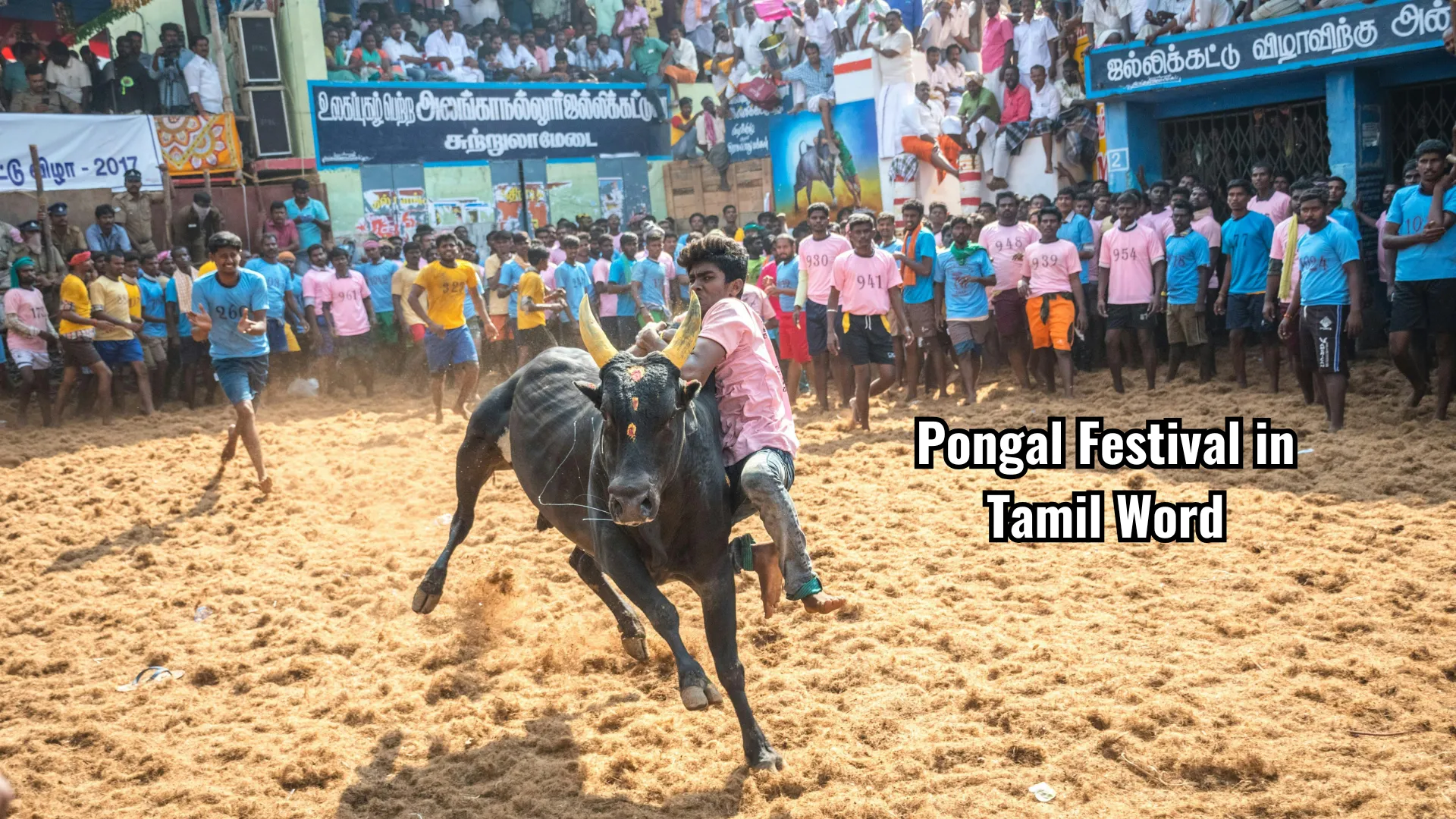
Cattle may be bathed, decorated, and cared for as part of traditional celebrations. In some regions, special community events are also associated with the day.
The deeper message is one of gratitude: the animals that contribute to agricultural life deserve care and respect.
Kaanum Pongal
The fourth day is commonly known as Kaanum Pongal.
The word “Kaanum” can be associated with seeing or visiting. Traditionally, this day has a strong social and family-oriented character.
People may visit relatives and friends, spend time outdoors, and enjoy community activities.
For many families, it is an opportunity to strengthen relationships and spend time together after the more traditional rituals of the earlier days.
Traditional Pongal Celebrations
Pongal celebrations can vary between families and regions, but several traditions are widely recognized.
A typical celebration may include:
- Cleaning and decorating the home
- Drawing colorful kolams
- Wearing new or traditional clothes
- Preparing Pongal dishes
- Decorating the Pongal pot
- Expressing gratitude for the harvest
- Spending time with family
- Visiting relatives and friends
- Sharing traditional food
- Exchanging Pongal wishes
- Participating in cultural activities
The festival is therefore both personal and communal.
Pongal Kolam
One of the most recognizable features of Pongal is the Kolam.
Kolam is a traditional decorative art created on the floor, usually near the entrance of a home. Rice flour or other materials can be used to create geometric, floral, and symbolic patterns.
During Pongal, kolams may become especially elaborate and colorful.
Common Pongal kolam designs may include:
- Sugarcane
- Pongal pots
- Sun motifs
- Flowers
- Traditional geometric patterns
- Birds and animals
- Tamil cultural symbols
Creating a kolam can be a family activity, with children and adults participating together.
Beyond decoration, the practice represents creativity, tradition, hospitality, and the welcoming spirit of the festival.
Traditional Pongal Food
Food is an important part of Pongal celebrations.
The most famous dish is Sakkarai Pongal, a sweet preparation generally made using rice, jaggery, milk, and ingredients such as cardamom, cashews, and raisins.
Another popular preparation is Ven Pongal, a savory rice-and-dal dish commonly associated with South Indian cuisine.
A Pongal meal may also include traditional dishes such as:
- Sambar
- Vegetable preparations
- Avial
- Vadai
- Payasam
- Coconut-based dishes
- Fresh sugarcane
The exact menu differs between families and regions.
Food during Pongal is not simply about eating. Preparing and sharing food creates an opportunity for family members to work together and celebrate the harvest.
Pongal Festival and Agriculture
Agriculture is at the heart of Pongal.
Traditional farming depends on many interconnected elements: fertile land, water, sunlight, seeds, animals, farmers, and favorable seasons.
Pongal provides a cultural opportunity to recognize these connections.
The role of farmers is especially important because food production requires continuous effort throughout the agricultural cycle. A successful harvest represents the outcome of months of planning, labor, and care.
For this reason, Pongal can be viewed as a festival of gratitude.
The celebration reminds people that the food on their tables has a connection to land, nature, and the work of farmers.
This message remains relevant even for people living in cities who may have little direct connection with agriculture.
Pongal Wishes in Tamil
Sharing Pongal wishes is a popular way to express happiness and goodwill.
Here are some original Pongal wishes in Tamil:
“இனிய பொங்கல் நல்வாழ்த்துக்கள்! உங்கள் இல்லத்தில் மகிழ்ச்சியும் வளமும் என்றும் பொங்கட்டும்.”
“இந்த பொங்கல் திருநாள் உங்கள் வாழ்க்கையில் புதிய நம்பிக்கையையும் மகிழ்ச்சியையும் கொண்டு வரட்டும்.”
“பொங்கலோ பொங்கல்! உங்கள் குடும்பத்தில் அன்பும் அமைதியும் செழிப்பும் நிறைந்திருக்கட்டும்.”
“தை பிறப்பது போல உங்கள் வாழ்விலும் புதிய வாய்ப்புகள் பிறக்கட்டும். இனிய பொங்கல் நல்வாழ்த்துக்கள்!”
“உழைப்பின் பலனும், அன்பின் மகிழ்ச்சியும், வாழ்வின் வளமும் உங்கள் குடும்பத்தில் என்றும் நிறைந்திருக்கட்டும்.”
These messages can be used for greeting cards, WhatsApp messages, social media captions, or personal wishes.
Short Pongal Wishes in Tamil
For social media posts and messages, short wishes can be more convenient.
- “இனிய பொங்கல் நல்வாழ்த்துக்கள்!”
- “பொங்கலோ பொங்கல்! வாழ்க வளமுடன்!”
- “அன்பும் மகிழ்ச்சியும் பொங்கட்டும்!”
- “இனிய தைப்பொங்கல் வாழ்த்துக்கள்!”
- “வாழ்வில் வளமும் நலமும் பொங்கட்டும்!”
- “மகிழ்ச்சியான பொங்கல் நல்வாழ்த்துக்கள்!”
- “புதிய நம்பிக்கையுடன் இனிய பொங்கல்!”
- “உங்கள் இல்லத்தில் என்றும் பொங்கட்டும் மகிழ்ச்சி!”
Pongal Festival in Tamil Words for Children
Teaching children about Pongal is a meaningful way to help preserve cultural traditions.
Children can learn simple Tamil words associated with the festival:
| Tamil Word | Meaning |
| பொங்கல் | Pongal |
| தைப்பொங்கல் | Thai Pongal |
| உழவர் | Farmer |
| விவசாயம் | Agriculture |
| அறுவடை | Harvest |
| சூரியன் | Sun |
| மாடு | Cattle |
| கோலம் | Kolam |
| கரும்பு | Sugarcane |
| பானை | Pot |
| நெல் | Paddy |
| அரிசி | Rice |
| வெல்லம் | Jaggery |
| குடும்பம் | Family |
| வளம் | Prosperity |
| மகிழ்ச்சி | Happiness |
Learning these words can help children understand the cultural meaning of Pongal while improving their Tamil vocabulary.
Parents and teachers can also encourage children to draw Pongal-themed pictures, create kolams, prepare simple traditional dishes with adults, and learn about the agricultural connection of the festival.
Pongal Celebrations in Villages
Pongal can have a particularly strong connection with agricultural life in villages.
Traditional village celebrations may include decorated cattle, community gatherings, cultural performances, kolams, traditional food, and local sporting or cultural activities.
The atmosphere can be especially lively because families and neighbors often participate together.
Agricultural tools, cattle, crops, and traditional foods can become part of the celebration, reinforcing the relationship between Pongal and farming.
While modern celebrations have changed in many places, village Pongal continues to preserve numerous cultural practices.
Pongal Celebrations in Cities
Pongal is also widely celebrated in urban communities.
City families may not work in agriculture, but they continue many traditions, including:
- Drawing kolams
- Preparing Pongal
- Wearing traditional clothing
- Visiting family
- Sharing sweets
- Sending Tamil Pongal wishes
- Decorating homes
- Participating in cultural programs
Schools, offices, cultural organizations, and community groups may also organize Pongal celebrations.
These events help younger generations remain connected to Tamil traditions even when they live far from agricultural communities.
Pongal and Tamil Culture
Pongal represents more than one celebration. It brings together language, food, family, agriculture, art, music, clothing, and traditional customs.
Tamil words and expressions are an important part of the festival.
Expressions such as “பொங்கலோ பொங்கல்” and “தை பிறந்தால் வழி பிறக்கும்” help communicate the optimism associated with the season.
Traditional foods connect people with regional culinary practices. Kolams connect the festival with visual art. Family gatherings reinforce relationships. Agricultural traditions remind people of the importance of farmers and nature.
This combination makes Pongal a powerful expression of Tamil cultural identity.
Cultural Values We Can Learn From Pongal
Pongal carries several values that remain meaningful in modern life.
Gratitude
The festival encourages people to appreciate the food and resources they receive.
Respect for Farmers
It reminds society of the importance of agricultural workers and their contribution.
Respect for Nature
The festival highlights the relationship between human life, agriculture, animals, sunlight, and land.
Family Unity
Pongal creates opportunities for family members to gather and celebrate together.
Generosity
Sharing food, sweets, and wishes with others reflects the spirit of celebration.
New Beginnings
The arrival of Thai is traditionally associated with hope and positive change.
Cultural Preservation
Celebrating Pongal helps transmit Tamil customs, language, food, and traditions from one generation to another.
How to Celebrate Pongal at Home
You do not need a large gathering to celebrate Pongal meaningfully.
A simple home celebration can include:
Clean the Home
Begin by cleaning and organizing the home as part of the festive preparation.
Create a Kolam
Make a traditional or modern Pongal kolam at the entrance.
Prepare Pongal
Prepare Sakkarai Pongal or another traditional dish with family members.
Decorate the Space
Use sugarcane, flowers, traditional decorations, or a Pongal pot to create a festive atmosphere.
Wear Traditional Clothes
Families may choose traditional Tamil clothing for the celebration.
Share Wishes
Send heartfelt Pongal messages to relatives, friends, colleagues, and neighbors.
Learn About the Festival
Spend some time explaining the meaning of Pongal to children so that the tradition continues.
Pongal Festival in Tamil Words: A Celebration of Gratitude and Hope
The Pongal festival in Tamil words can be described through themes of அன்பு (love), மகிழ்ச்சி (happiness), வளம் (prosperity), நன்றி (gratitude), உழைப்பு (hard work), குடும்பம் (family), and இயற்கை (nature).
These simple Tamil words capture much of what Pongal represents.
It is a celebration of the harvest, but its meaning goes beyond agriculture. It is a time to appreciate the people and natural resources that make life possible. It is a time for families to reconnect, communities to celebrate, and younger generations to learn about their heritage.
The festival also offers an opportunity to look toward the future with hope.
As people welcome Thai, they traditionally look forward to better days and new opportunities. The familiar saying “தை பிறந்தால் வழி பிறக்கும்” reflects this optimistic outlook.
Conclusion
Pongal is a festival deeply connected with Tamil culture, agriculture, nature, family, and gratitude. From Bhogi Pongal and Thai Pongal to Mattu Pongal and Kaanum Pongal, each day adds a different dimension to the celebration.
The colorful kolams, overflowing Pongal pots, sugarcane, traditional food, new clothes, family gatherings, and Tamil wishes all contribute to the festive atmosphere.
For children and younger generations, Pongal is also an opportunity to learn Tamil words, cultural traditions, and the importance of respecting farmers and nature.
Whether celebrated in a village, a city, or anywhere around the world, Pongal continues to bring people together through a shared appreciation of Tamil heritage.
The heart of the festival can be expressed simply:
“பொங்கலோ பொங்கல்!”
May happiness, prosperity, peace, and hope overflow in every home.
FAQs
Pongal is called “பொங்கல்” (Pongal) in Tamil. The main celebration is commonly known as “தைப்பொங்கல்” (Thai Pongal).
The word Pongal is connected with “பொங்குதல்,” meaning to boil over or overflow. The overflowing Pongal pot symbolizes abundance and prosperity.
The four traditionally recognized days are Bhogi Pongal, Thai Pongal, Mattu Pongal, and Kaanum Pongal.
A well-known Tamil saying is “தை பிறந்தால் வழி பிறக்கும்,” expressing the idea that the arrival of Thai brings new opportunities and hope.
Pongal is traditionally associated with the harvest and expressing gratitude toward nature, the Sun, farmers, and cattle.
Common preparations include Sakkarai Pongal and Ven Pongal, along with other traditional dishes that vary between families and regions.