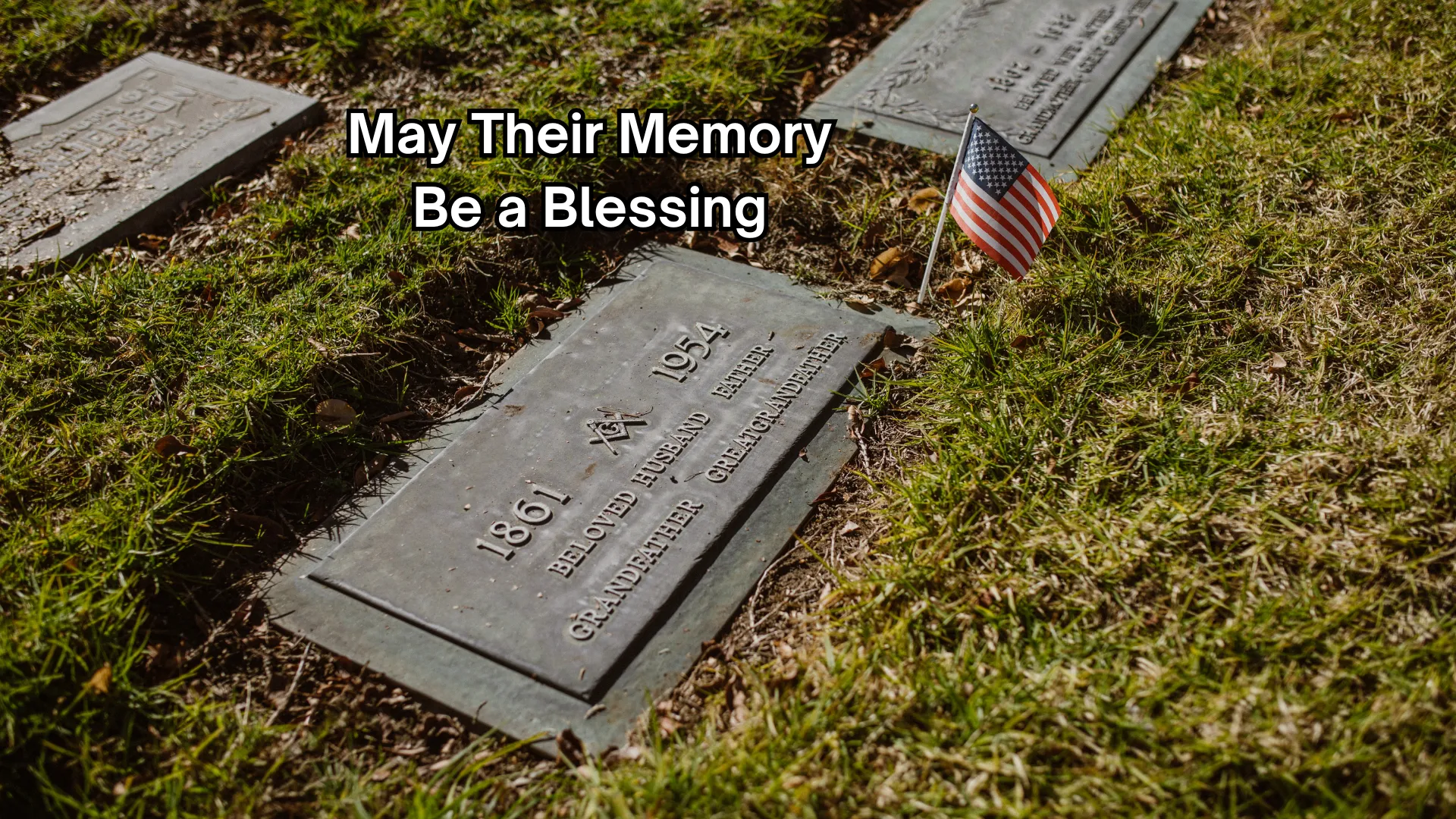
Losing someone is one of the most difficult experiences in life. Different cultures and religions have developed meaningful expressions to honor those who have passed away. One phrase that carries deep emotional and spiritual significance is may their memory be a blessing. It is often used in condolence messages, obituaries, memorial speeches, and conversations following someone’s death.
Many people have seen the phrase online or heard it in discussions involving Jewish traditions but are unsure of its exact meaning or when it should be used. While the expression has strong roots in Judaism, its message of remembering a loved one through kindness and gratitude resonates with people from many backgrounds.
What Does May Their Memory Be a Blessing Mean?
The phrase may their memory be a blessing expresses the hope that remembering someone who has died will bring goodness, inspiration, comfort, and positive influence into the lives of those who remain.
Rather than focusing only on grief, the expression emphasizes the lasting impact of a person’s character, values, generosity, and relationships. It suggests that every time people remember the deceased, those memories become a source of encouragement and strength.
Instead of saying that someone is simply gone, the phrase recognizes that their legacy continues through the people they influenced.
For many families, saying may their memory be a blessing acknowledges that love does not end with death. The kindness, wisdom, traditions, and lessons shared by the deceased continue to shape future generations.
The Jewish Origin of May Their Memory Be a Blessing
The expression originates in Jewish tradition. It is commonly translated from the Hebrew phrase:
“Zikhrono livrakha” (for a man)
or
“Zikhronah livrakha” (for a woman)
Both phrases literally mean “may his or her memory be for a blessing.”
In written English, many Jewish communities abbreviate this blessing as:
“z”l
This abbreviation often appears after the name of someone who has died. For example:
David Cohen z”l
The practice reflects respect for the deceased and serves as a reminder that speaking their name should inspire goodness rather than simply sadness.
Jewish teachings place enormous importance on remembrance. Remembering those who have passed away is viewed as an act of honor and gratitude rather than only mourning.
Why the Phrase Is So Meaningful
The beauty of may their memory be a blessing lies in its focus on the future instead of only the past.
Rather than saying that someone will be missed, it suggests their influence continues through:
- Acts of kindness
- Family traditions
- Personal values
- Stories shared across generations
- Charitable actions inspired by their life
- Lessons they taught others
This perspective changes remembrance from passive reflection into active appreciation.
When someone says may their memory be a blessing, they are expressing hope that the person’s life continues to produce positive effects long after they are gone.
How the Phrase Is Used Today
Although rooted in Judaism, the phrase has become increasingly common across many communities and cultures.
People often use it in:
Obituaries
Many families conclude an obituary by writing:
“May their memory be a blessing.”
This offers a thoughtful closing that honors the person’s life instead of focusing solely on death.
Sympathy Cards
The expression appears frequently in condolence messages because it combines compassion with hope.
Examples include:
“Thinking of your family during this difficult time. May their memory be a blessing.”
or
“May your loved one’s memory continue to bring peace and comfort.”
Funeral Speeches
During memorial services, speakers often conclude by expressing gratitude for the person’s influence.
The phrase naturally fits these occasions because it highlights legacy rather than loss.
Social Media Tributes
Many people include the expression when announcing the passing of someone respected in their community.
It has become especially common following the deaths of public figures, educators, artists, activists, and community leaders.
When Is It Appropriate to Say May Their Memory Be a Blessing?
The phrase is generally appropriate whenever someone has passed away and you want to express respectful sympathy.
Common situations include:
After Hearing About a Death
If someone tells you a family member has passed away, saying:
“May their memory be a blessing.”
can be a thoughtful response.
During Memorial Events
The phrase fits naturally during:
- Funeral services
- Memorial ceremonies
- Anniversary remembrances
- Celebration of life gatherings
Written Condolences
Many people include it in:
- Letters
- Sympathy cards
- Emails
- Memorial books
- Online tribute pages
Public Announcements
Organizations often use the phrase when honoring former employees, community leaders, volunteers, or public servants.
Is It Only for Jewish People?
No.
Although may their memory be a blessing comes from Jewish tradition, many non-Jewish people now use it respectfully.
The expression has gained broader recognition because its message is universal. Every culture values remembering loved ones who positively influenced others.
That said, understanding its Jewish origin helps people appreciate its deeper meaning rather than treating it as simply another condolence phrase.
Using it respectfully means recognizing that it carries centuries of religious and cultural significance.
The Difference Between May Their Memory Be a Blessing and Rest in Peace
Many people wonder whether these two expressions mean the same thing.
They are related but not identical.
“Rest in peace” focuses on the condition of the deceased after death. It expresses hope that they find eternal peace.
May their memory be a blessing, on the other hand, focuses on those still living. It emphasizes how remembering the person’s life should continue to inspire goodness.
One speaks about peace for the deceased.
The other speaks about meaningful remembrance for the living.
Because of this distinction, some people use both expressions together.
For example:
“Rest in peace. May their memory be a blessing.”
Why Remembering Someone Can Be a Blessing
The phrase encourages people to think beyond grief.
Memories can inspire:
Kindness
Many people continue acts of generosity because someone important taught them compassion.
Strength
Remembering how someone overcame hardship can provide courage during difficult times.
Family Unity
Stories shared about parents, grandparents, and relatives often strengthen family connections.
Personal Growth
People frequently make life decisions based on lessons learned from someone they admired.
In this sense, the blessing is not magical. It comes through the continuing influence of a meaningful life.
Examples of Using May Their Memory Be a Blessing
Understanding how the phrase fits naturally into conversation makes it easier to use appropriately.
Example one:
“I was saddened to hear about your grandmother. May her memory be a blessing.”
Example two:
“Our community lost an extraordinary teacher today. May his memory be a blessing.”
Example three:
“We are grateful for everything she contributed. May her memory be a blessing.”
Example four:
“He inspired countless students throughout his career. May his memory continue to be a blessing.”
Each example honors both the deceased and the people whose lives they touched.
Can the Phrase Be Used for Public Figures?
Yes.
When respected public figures die, many people use may their memory be a blessing in tributes.
This is especially appropriate for individuals remembered for:
- Public service
- Charity
- Education
- Humanitarian work
- Scientific achievements
- Cultural contributions
- Community leadership
The phrase emphasizes their lasting influence rather than simply announcing their passing.
The Importance of Legacy
One reason may their memory be a blessing has become more widely recognized is that it reflects a broader understanding of legacy.
A person’s legacy includes:
Their character.
Their relationships.
Their values.
Their influence.
Their generosity.
Their wisdom.
The phrase reminds us that these qualities often survive far longer than material achievements.
Children may repeat advice from grandparents decades later.
Communities may continue traditions started by local leaders.
Charities may continue the work begun by volunteers.
Teachers continue shaping lives through former students.
These are all examples of memories becoming blessings.
How Different Cultures Honor the Dead
Every culture has expressions that acknowledge loss while honoring those who have passed away.
Some emphasize eternal peace.
Others focus on remembrance.
Some celebrate a life well lived.
Others highlight hope, faith, or reunion.
May their memory be a blessing stands out because it combines remembrance with action. It encourages people not only to remember someone but also to carry forward the goodness they represented.
This emphasis on living out another person’s values gives the phrase lasting emotional power.
Common Misunderstandings
People unfamiliar with the phrase sometimes misunderstand its meaning.
It Does Not Mean Forgetting Grief
The phrase recognizes loss while encouraging positive remembrance.
It Is Not Reserved Only for Religious Contexts
Although deeply connected to Judaism, many people use it respectfully in secular settings.
It Is More Than a Formal Saying
For many families, these words carry profound emotional significance because they reflect hope that love and goodness continue beyond death.
It Does Not Replace Sympathy
The expression is often paired with traditional condolences rather than replacing them.
For example:
“I am so sorry for your loss. May their memory be a blessing.”
Why the Phrase Has Become More Common Online
In recent years, social media has introduced many people to expressions from different cultures.
Following the deaths of well-known public figures, journalists, historians, and members of Jewish communities frequently use may their memory be a blessing.
As more people encounter the phrase, they often look for its meaning and begin using it themselves in respectful contexts.
Its growing popularity reflects a desire for language that acknowledges grief while celebrating a person’s lasting impact.
Tips for Using the Phrase Respectfully
When using may their memory be a blessing, keep a few simple guidelines in mind.
Understand its origins before using it.
Use it sincerely rather than as a fashionable expression.
Consider the beliefs and preferences of the grieving family.
Pair it with genuine words of comfort when appropriate.
Remember that the phrase honors the life someone lived, not merely the fact that they died.
Approaching the expression with respect helps preserve its meaning.
Why These Words Continue to Resonate
The enduring appeal of may their memory be a blessing comes from its hopeful perspective.
Every person leaves behind memories.
Some memories fade.
Others continue shaping lives for decades.
The phrase reminds us that kindness, generosity, courage, humor, wisdom, and compassion can continue influencing people long after someone is gone.
It encourages families to tell stories, preserve traditions, perform acts of kindness, and remember loved ones in meaningful ways.
In doing so, memory becomes more than remembrance—it becomes an ongoing source of blessing.
Conclusion
May their memory be a blessing is far more than a traditional condolence. It is an expression of hope that a person’s life continues to inspire goodness, compassion, and strength in others. Rooted in Jewish tradition, the phrase honors the enduring influence of those who have passed away while offering comfort to those who remember them.
Whether spoken during a funeral, written in a sympathy card, or included in a public tribute, these words recognize that a meaningful life leaves lasting impressions. They remind us that love, wisdom, generosity, and kindness do not disappear with death. Instead, they live on through memories, actions, and the lives touched by the person being remembered. Using may their memory be a blessing thoughtfully acknowledges both loss and the enduring value of a life well lived.
FAQs
It means that remembering someone who has died should bring goodness, comfort, inspiration, and positive influence to those who continue to cherish their life.
Yes. The expression comes from Jewish tradition and is translated from the Hebrew phrases zikhrono livrakha or zikhronah livrakha, meaning “may his or her memory be for a blessing.”
Yes. Many non-Jewish people use the phrase respectfully to honor someone who has passed away, especially after understanding its cultural and religious significance.
No. “Rest in peace” expresses a wish for peace after death, while may their memory be a blessing focuses on the lasting positive impact the deceased has on those who remember them.
The phrase is appropriate in sympathy cards, funeral speeches, obituaries, memorial services, condolence messages, and respectful tributes to someone who has passed away.