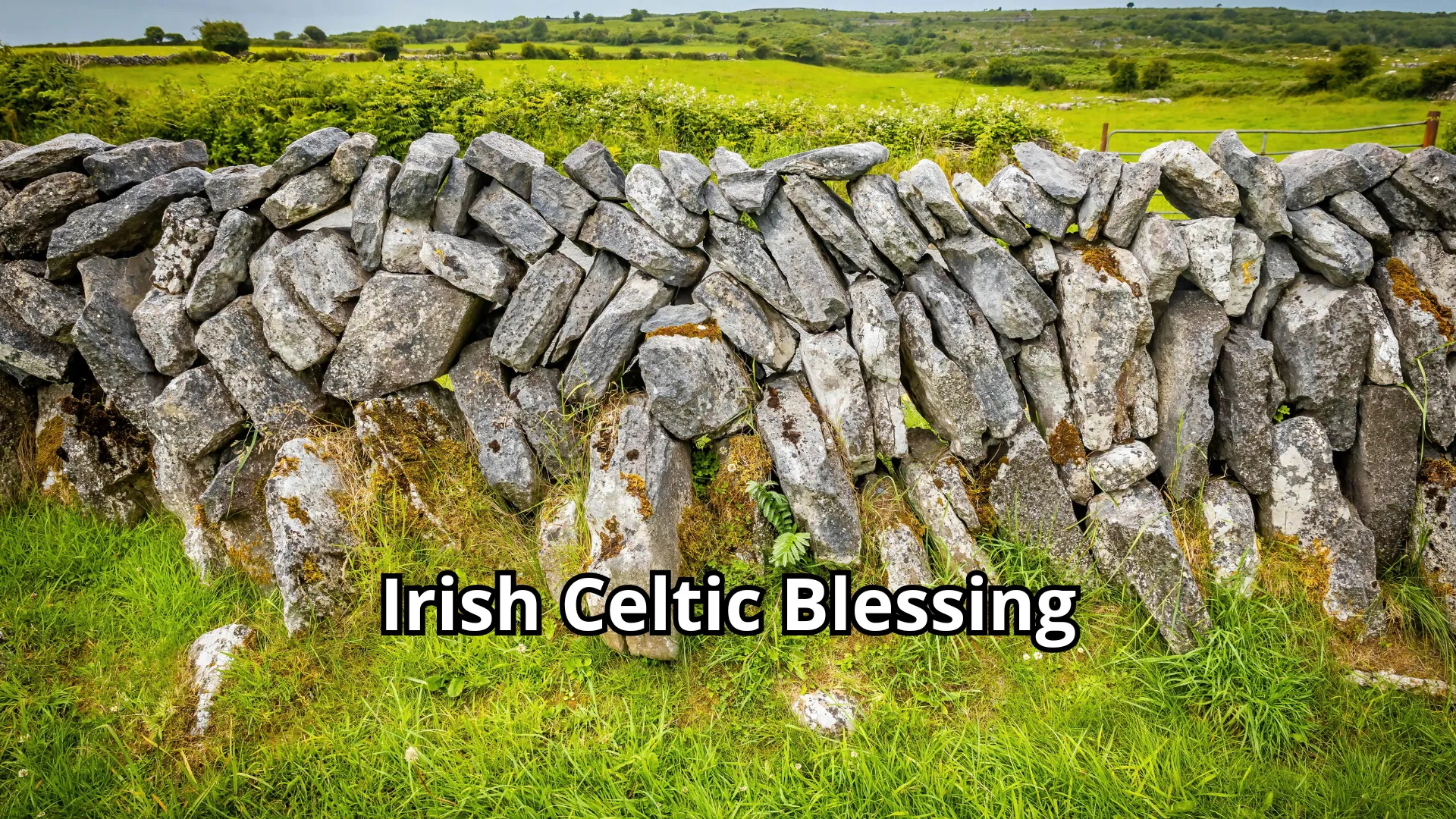
An irish celtic blessing is more than a collection of comforting words. It reflects centuries of Irish heritage, community values, spiritual beliefs, and respect for nature. While many people associate these blessings with weddings or St. Patrick’s Day celebrations, they have long been part of everyday Irish life. Families have shared them before journeys, during difficult seasons, at births, around dinner tables, and when saying goodbye to loved ones.
Many websites simply list popular blessings without explaining where they came from, how they changed over time, or why certain versions differ from one another. In reality, Irish blessings evolved through oral storytelling, Christian traditions, and older Celtic customs that existed long before written records became common. Because they were passed from generation to generation, wording often changed depending on the region, family, or occasion.
Understanding an irish celtic blessing means looking beyond the words themselves. Each blessing reflects hopes for health, friendship, peace, safe travels, prosperity, or spiritual protection. Many also draw inspiration from Ireland’s landscape, mentioning rain, wind, rivers, hills, sunlight, and open roads as symbols of life’s changing journey.
What Is an Irish Celtic Blessing?
An irish celtic blessing is a traditional expression of goodwill that offers hope, protection, guidance, or encouragement. These blessings may be spoken aloud, written in greeting cards, included in wedding ceremonies, engraved on gifts, or shared during family gatherings.
Unlike formal religious prayers, blessings are often shorter and more poetic. They focus on wishing positive outcomes rather than asking directly for divine intervention, although many include references to God, saints, or heaven because Christianity became deeply rooted in Irish culture over many centuries.
Many blessings use imagery from nature. Roads symbolize life’s journey. Gentle rain represents renewal. Sunshine stands for hope. Trees reflect strength and endurance. These symbols remain meaningful even for readers who do not follow Celtic traditions.
The Historical Roots of Irish Celtic Blessings
Ancient Celtic Traditions
Long before Christianity arrived in Ireland, Celtic communities held strong beliefs about nature, seasonal cycles, hospitality, and the connection between humanity and the natural world. Spoken words carried significant cultural importance. Elders often shared poetic expressions that celebrated protection, gratitude, courage, and community.
Although written evidence from this period is limited, historians believe many themes found in later blessings originated during these early traditions.
Nature occupied a central role in everyday life. People depended on changing seasons for farming, livestock, and survival. As a result, blessings frequently referred to weather, rivers, hills, forests, and stars rather than material wealth alone.
Christian Influence
When Christianity spread across Ireland during the fifth century, older Celtic customs blended with Christian beliefs instead of disappearing completely.
Monasteries became centres of education, preserving stories, poems, prayers, and religious writings. Many blessings gradually adopted references to God’s protection while keeping traditional Celtic imagery intact.
This blending created the distinctive style recognized today, where biblical faith and natural symbolism exist side by side rather than competing with each other.
Why Irish Blessings Continue to Matter
Despite modern lifestyles, Irish blessings remain widely used because they communicate genuine care without sounding formal or distant.
Families continue passing them to younger generations during birthdays, anniversaries, graduations, weddings, funerals, and holiday celebrations.
Unlike lengthy speeches, a well-chosen blessing can express encouragement in just a few meaningful lines while carrying centuries of cultural tradition.
Their lasting appeal comes from universal themes including friendship, kindness, resilience, generosity, patience, hope, and gratitude.
The Difference Between Irish Blessings and Irish Prayers
People often confuse blessings with prayers, but they serve different purposes.
A blessing generally offers positive wishes for another person’s future. It speaks hope into someone’s life rather than requesting specific help.
A prayer speaks directly to God and often asks for guidance, forgiveness, strength, or protection.
This distinction becomes important when selecting words for ceremonies or religious events. Some occasions call for an irish celtic blessing, while others may be more appropriate for a formal prayer.
Celtic Protection Prayer and Its Role in Irish Tradition
The celtic protection prayer has deep historical significance within Irish spiritual life. Unlike short blessings shared among friends, protection prayers traditionally asked for safety during uncertain journeys, illness, dangerous weather, or periods of conflict.
Many famous Celtic prayers speak about being surrounded by divine presence in every direction rather than requesting material success.
These prayers often include themes such as:
- Protection while travelling
- Peace within the home
- Strength during hardship
- Wisdom in difficult decisions
- Safety for family members
- Courage during uncertainty
One reason these prayers remain meaningful today is that they address emotional security as much as physical safety.
What Are Irish Blessings?
Many readers ask, what are irish blessings and how they differ from ordinary inspirational quotes.
Irish blessings are traditional expressions rooted in Irish culture that combine poetic language, spiritual values, and hopes for another person’s wellbeing.
They often include wishes involving:
- Good health
- Lasting friendship
- Peace within the family
- Safe travels
- Prosperity earned through honest work
- Strength during difficult times
- Joy shared with others
Unlike motivational sayings written by individual authors, most traditional blessings evolved over many generations and therefore exist in several versions.
The Meaning Behind Common Irish Symbols in Blessings
Many blessings mention familiar Irish symbols without explaining their significance.
Roads
Roads represent life’s personal journey rather than physical travel alone. References to smooth roads express hopes for fewer hardships ahead.
Rain
Rain symbolizes renewal, growth, and emotional healing. Given Ireland’s climate, rain naturally became a powerful metaphor for life’s changing seasons.
Wind
Wind often represents guidance, freedom, and unseen spiritual support.
Hearth
The family hearth symbolizes warmth, hospitality, belonging, and community. Before modern heating, the hearth literally served as the centre of family life.
Trees
Trees represent endurance across generations. Their deep roots remind families of ancestry, tradition, and lasting strength.
Rarely Explained: Why So Many Versions of the Same Blessing Exist
One detail missing from many articles is why identical Irish blessings appear with different wording.
The answer lies in Ireland’s oral storytelling tradition.
For centuries, blessings spread through spoken conversation rather than printed books. Families memorized them, adapted them, shortened them, or added local expressions.
As people emigrated to America, Canada, Australia, and other countries, wording changed again to match local language patterns.
There often is no single officially correct version.
This explains why one greeting card may use different wording than another while both remain authentic expressions of Irish tradition.
Irish Blessings Were Originally Everyday Conversations
Another overlooked fact is that blessings were rarely treated as formal literature.
Many were spoken naturally at the end of ordinary conversations.
Parents blessed children before long journeys.
Neighbours shared blessings during harvest seasons.
Visitors received blessings before returning home.
Farmers exchanged blessings during difficult weather.
These everyday uses helped preserve Irish culture long before books became widely available.
Instead of existing only inside churches, blessings became part of ordinary family life, making them deeply personal rather than ceremonial.
How an Irish Celtic Blessing Is Used Today
An irish celtic blessing continues to have a place in modern life because its message remains timeless. While the wording may come from centuries-old traditions, people still use these blessings to express hope, gratitude, encouragement, and remembrance in ways that feel sincere.
Today, they appear in wedding speeches, memorial services, graduation cards, retirement gifts, family reunions, and even workplace farewell messages. Their appeal comes from their simplicity. They communicate genuine goodwill without requiring a long speech or formal ceremony.
One noticeable shift is that many modern families adapt traditional blessings to suit personal beliefs. Some keep references to God, while others prefer versions that focus on friendship, nature, or kindness. Neither approach changes the underlying purpose, which is to wish someone a meaningful and peaceful future.
Rather than treating these blessings as decorative quotes, many Irish families continue to pass them from one generation to another. A grandparent may share the same blessing that was once spoken by their own parents, preserving family history through spoken words instead of written records.
Choosing the Right Irish Blessing for Different Occasions
Selecting a blessing involves more than finding attractive wording. Different occasions call for different themes, and understanding that distinction helps the blessing feel appropriate rather than generic.
Weddings
Wedding blessings usually focus on companionship, patience, shared happiness, and the ability to face life’s challenges together. Traditional Irish wedding blessings rarely promise a perfect marriage. Instead, they recognize that relationships require kindness, forgiveness, and mutual respect over many years.
This practical outlook reflects Irish storytelling, where happiness comes through perseverance rather than fantasy.
Birth of a Child
Blessings for newborn children often express hopes for health, wisdom, courage, curiosity, and loving relationships. Many also reference the child’s future journey, reflecting the belief that every stage of life deserves encouragement.
These blessings are commonly included in keepsake books, christening gifts, and handwritten family letters.
Funerals and Memorial Services
Irish funeral blessings are known for balancing grief with hope. Rather than avoiding sadness, they acknowledge loss while expressing faith that memories continue to comfort those left behind.
Many traditional funeral blessings speak of peaceful rest, lasting love, and the strength of family during difficult seasons.
Graduation and New Beginnings
Graduation blessings frequently refer to roads, opportunities, wisdom, and confidence. These themes reflect the transition from one stage of life to another without suggesting that success comes easily.
Instead, they encourage resilience, thoughtful decisions, and gratitude for those who helped along the way.
What Are the 7 Irish Blessings?
A common online search asks, what are the 7 irish blessings. The answer is more complex than many articles suggest because there is no official historical collection called the Seven Irish Blessings.
Instead, publishers, greeting card companies, and websites have created their own collections over time. The blessings included often differ from one source to another.
However, traditional Irish blessings generally fall into seven recurring themes:
Blessing for Safe Travel
These blessings ask that every journey be protected and that travellers return home safely.
Blessing for Friendship
Friendship blessings celebrate loyalty, generosity, honesty, and shared memories rather than temporary companionship.
Blessing for Marriage
Marriage blessings focus on lifelong partnership, patience, laughter, and mutual support.
Blessing for Home
Home blessings express hopes that every visitor feels welcome and every family member finds peace and comfort.
Blessing for Prosperity
Traditional prosperity blessings rarely focus on wealth alone. They also mention meaningful work, generous hearts, and contentment.
Blessing for Health
Health blessings wish for strength during illness, energy for daily life, and comfort during recovery.
Blessing for Peace
Peace blessings speak about inner calm, healthy relationships, forgiveness, and emotional stability rather than the absence of conflict alone.
Understanding these themes helps explain why different collections of Irish blessings often contain different wording while sharing similar purposes.
The Influence of Oral Tradition on Irish Blessings
One overlooked reason Irish blessings have survived for centuries is that they were designed to be remembered rather than read.
Before widespread literacy, stories, songs, and blessings were passed from one generation to the next through conversation. This oral tradition shaped how blessings were written.
Many use rhythm, repetition, and balanced sentence structures that make them easier to memorize. Their poetic style was practical rather than decorative.
Because people remembered ideas instead of exact wording, slight differences naturally appeared over time. Regional dialects also influenced vocabulary, leading to multiple authentic versions of the same blessing.
This explains why historical researchers rarely identify a single original text for many well-known Irish blessings.
A Common Mistake When Quoting Irish Blessings
Many websites publish Irish blessings without checking whether they are actually Irish.
Over the past century, countless inspirational quotes have been incorrectly labelled as traditional Irish sayings simply because they mention luck, friendship, or happiness.
Some were written by twentieth-century authors.
Others originated in America but gradually became associated with Irish culture.
When selecting a blessing for an important occasion, it helps to verify whether it comes from documented Irish tradition or is simply marketed as Irish.
For family history projects, heritage events, or cultural ceremonies, authenticity often matters more than popularity.
The Difference Between Ancient Celtic Beliefs and Modern Irish Blessings
Another area that creates confusion is the relationship between Celtic spirituality and Irish Christianity.
Ancient Celtic communities practiced beliefs connected to seasonal festivals, natural landscapes, and local traditions.
Centuries later, Christianity became deeply established throughout Ireland. Rather than replacing every older custom, many traditions blended together.
As a result, modern Irish blessings may contain references to both natural imagery and Christian faith.
This combination explains why a blessing might mention God’s care alongside rivers, winds, hills, stars, or trees.
Understanding this historical blending helps readers appreciate why Irish blessings sound different from prayers written in other Christian traditions.
Why Nature Appears in Nearly Every Irish Celtic Blessing
Readers often notice recurring references to weather, rivers, mountains, birds, and trees.
These images were not chosen simply because they sounded poetic.
For generations, Irish communities depended heavily on farming, fishing, and changing seasons. Daily survival depended on weather conditions, healthy land, and successful harvests.
Nature therefore became part of ordinary language.
Rain represented growth.
Sunlight symbolized hope after hardship.
Roads reflected life’s journey.
Strong trees represented family roots.
Flowing rivers suggested continual renewal.
Understanding these symbols adds much greater meaning to traditional blessings than reading the words alone.
How Irish Blessings Changed After Irish Emigration
One subject rarely covered is the influence of Irish migration.
During the nineteenth century, millions of Irish emigrated to countries including the United States, Canada, Australia, and New Zealand.
Families carried blessings with them.
As communities settled abroad, wording slowly adapted to local speech while keeping familiar themes intact.
Some blessings became shorter because they appeared in greeting cards.
Others gained additional religious references depending on local traditions.
This explains why an Irish family in Dublin may recite a blessing differently from an Irish-American family whose ancestors emigrated generations ago.
Neither version is necessarily incorrect. Both reflect the living nature of oral tradition.
I Wish You Enough Irish Blessing: Understanding Its Connection to Irish Tradition
Among modern searches, i wish you enough irish blessing appears frequently. Many readers assume it is an ancient Irish blessing, but its history tells a different story.
The well-known I Wish You Enough text became widely shared in the early 2000s through emails, newspapers, and inspirational websites. It speaks about having enough happiness, enough challenges, enough hope, and enough love to appreciate life’s experiences. Its message resonates with themes commonly found in Irish blessings, which explains why many people associate it with Irish heritage.
However, there is no strong historical evidence that it originated as a traditional Irish Celtic blessing. Unlike older blessings that evolved through generations of oral tradition, I Wish You Enough has a much more recent and traceable history.
That does not reduce its emotional value. Many families include it in weddings, retirement celebrations, memorial services, and graduation ceremonies because its message aligns with the spirit of gratitude and resilience that Irish blessings have long expressed.
If historical authenticity is important for a family event or cultural gathering, it helps to distinguish between modern inspirational writings and traditional Irish blessings. Knowing the difference allows people to choose words that match the occasion and their intentions.
How to Use an Irish Celtic Blessing Respectfully
An irish celtic blessing carries cultural and historical significance, so context matters. While there are no strict rules, a thoughtful approach helps preserve its meaning.
When speaking a blessing during a ceremony, read it slowly and naturally rather than treating it as a scripted performance. These blessings were traditionally spoken in everyday conversations, making warmth and sincerity more important than dramatic delivery.
If writing a blessing in a greeting card, consider the occasion. A wedding blessing may not suit a memorial service, just as a travel blessing may feel out of place in a retirement gift.
When engraving blessings on keepsakes such as plaques, jewelry, or family Bibles, verify the wording before ordering. Because multiple versions exist, comparing trusted historical sources can prevent accidental errors.
For family history projects, adding a short note explaining where the blessing came from can make it even more meaningful for future generations.
Lesser-Known Facts About Irish Blessings
Many articles repeat the same famous examples but overlook several interesting facts that provide a fuller picture of Irish tradition.
One surprising detail is that many blessings survived because women preserved them within families. Mothers and grandmothers often passed these expressions to children during everyday life, helping traditions continue even when few written records existed.
Another overlooked fact is that regional dialects influenced wording. A blessing spoken in County Kerry could sound noticeably different from one shared in County Donegal while expressing the same idea.
Researchers have also found that blessings appeared in farming communities, fishing villages, and monastic settlements with subtle differences based on local occupations. Coastal communities naturally referenced the sea more often, while inland families spoke about fields, hills, and harvests.
These regional variations remind us that Irish blessings are living traditions rather than fixed literary works.
Common Misunderstandings About Irish Celtic Blessings
One misconception is that every blessing is hundreds of years old. In reality, some popular versions were written or adapted during the nineteenth and twentieth centuries.
Another misunderstanding is that every blessing comes directly from ancient Celtic religion. Most traditional blessings reflect a combination of early Celtic symbolism and later Christian influence.
People also assume that every Irish family knows the same blessings. Because oral tradition allowed wording to evolve, families often inherited different versions depending on where their ancestors lived.
Finally, many believe blessings were only spoken during formal ceremonies. Historical accounts suggest they were often part of ordinary conversations, farewells, meals, and daily routines.
Understanding these differences helps readers appreciate Irish blessings as evolving cultural traditions rather than static historical documents.
Keeping Irish Blessings Relevant for Future Generations
The continued popularity of Irish blessings shows that meaningful traditions can remain relevant even as society changes.
Parents include blessings in letters to children.
Couples read them during wedding ceremonies.
Genealogists add them to family history records.
Teachers introduce them when discussing Irish culture.
Community groups share them during heritage celebrations.
Digital communication has also given these blessings a new audience. Social media, genealogy websites, and online archives have helped preserve countless variations that might otherwise have disappeared.
The greatest value of an irish celtic blessing lies not in perfect wording but in the intention behind it. Whether shared around a family table or written inside a birthday card, these blessings continue to express kindness, hope, and connection across generations.
Conclusion
An irish celtic blessing represents far more than a memorable saying. It reflects Ireland’s history, oral storytelling traditions, spiritual beliefs, family values, and close relationship with the natural world. While many blessings have changed slightly through generations, their central themes remain remarkably consistent: wishing others health, peace, friendship, courage, and safe passage through life’s changing seasons.
Understanding the background behind these blessings makes them more meaningful than simply repeating familiar lines. Their symbolism, historical development, and cultural context reveal why they continue to resonate with people across different countries and generations.
Whether you are researching your Irish heritage, selecting words for a wedding, remembering a loved one, or simply looking for a thoughtful message to share, choosing a blessing with an appreciation of its origins adds depth and authenticity. Rather than existing only as decorative quotations, Irish blessings remain a living tradition that continues to connect families, communities, and generations through words of goodwill.
Frequently Asked Questions
Yes. Many couples choose Irish blessings because they focus on love, companionship, kindness, and hope. While they come from Irish tradition, their themes are universal. If your ceremony highlights Irish heritage, using a historically documented blessing adds additional cultural meaning.
A celtic protection prayer typically asks for spiritual guidance and safety during uncertain situations or journeys. A house blessing focuses on peace, hospitality, health, and happiness within the home rather than protection alone.
Most Irish blessings were passed through oral tradition for centuries before being widely printed. Families, regions, and later publishers often adjusted wording while keeping the central message intact, resulting in multiple authentic versions.
Although i wish you enough irish blessing is commonly associated with Irish culture, there is no strong historical evidence that it originated as a traditional Irish blessing. It is a modern inspirational piece that shares similar themes of gratitude and resilience.
People use what are irish blessings for weddings, funerals, graduations, retirements, birthdays, family reunions, travel wishes, housewarmings, and heritage celebrations. Many families also include them in greeting cards, keepsakes, and genealogy projects.
There is no official historical collection answering what are the 7 irish blessings. The phrase generally refers to seven common categories of blessings, including those for friendship, marriage, peace, health, prosperity, safe travel, and home.
Yes. Many families adapt wording to reflect their beliefs while preserving the original themes of goodwill, compassion, gratitude, and hope. This practice follows the long-standing oral tradition through which Irish blessings have naturally evolved over generations.